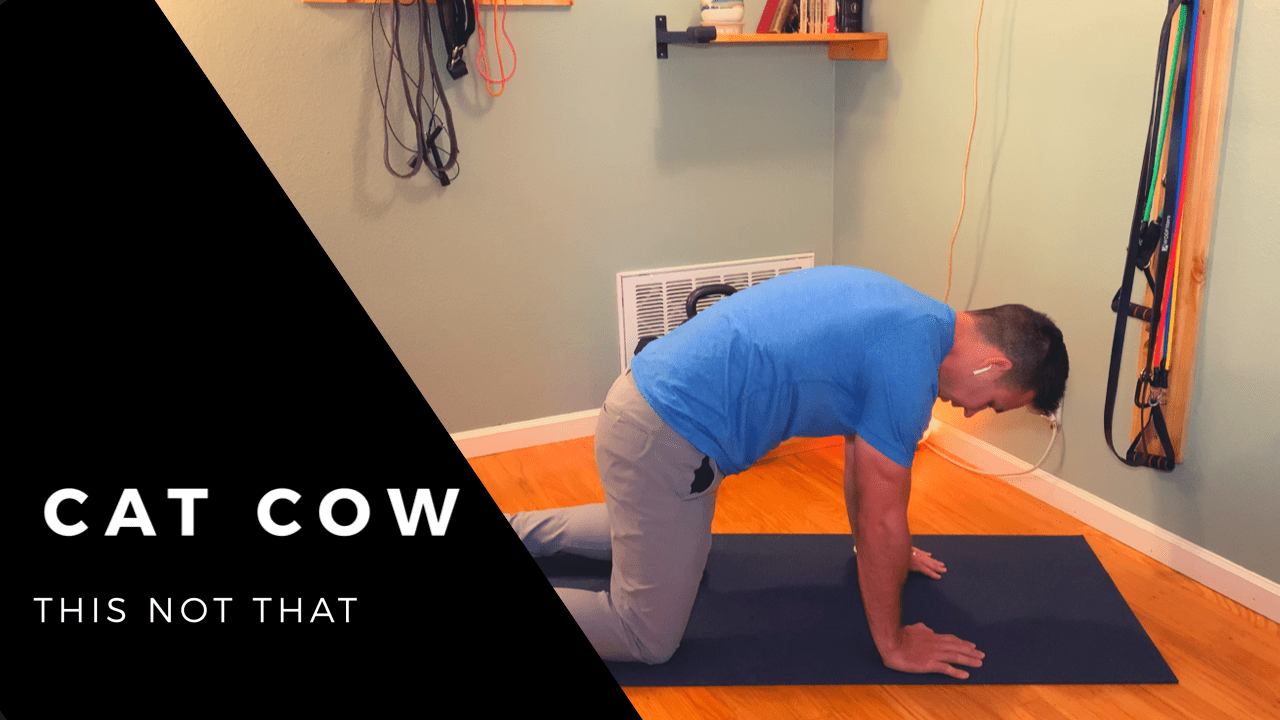
This Not That: Cat Cow

In this video I hope to help guide on a more specific way to perform cat cow in order to get a more complete mobility exercise for your spine. There are many ways to edit and make this exercise effective, this is just one of them. Hope it helps!

*THE INFORMATION CONTAINED IS THE VIDEO IS PURELY EDUCATIONAL, AND IN NO WAY REPRESENTS MEDICAL TREATMENT OR ADVICE FOR YOUR CONDITION. PLEASE BE CAREFUL, AND IF YOU ARE NOT SURE CONSULT WITH YOUR MEDICAL HEALTHCARE PROVIDER. REACH PT DISCLAIMS ANY AND ALL LIABILITY FROM ANY POSSIBLE INJURY SUSTAINED, AND IT IS UP TO THE EXERCISER TO BE RESPONSIBLE FOR THEIR ACTIONS.*

Random Rant: Beyond Core

In this video I go over the difference in word usage for stabilizing the spine, core vs trunk. I do this to help you understand that we can not only think about one muscle group or part of the spine. It all contributes and we do not want to ignore anything. In other words, I hope it helps us think about what else we can do besides the usual exercises.

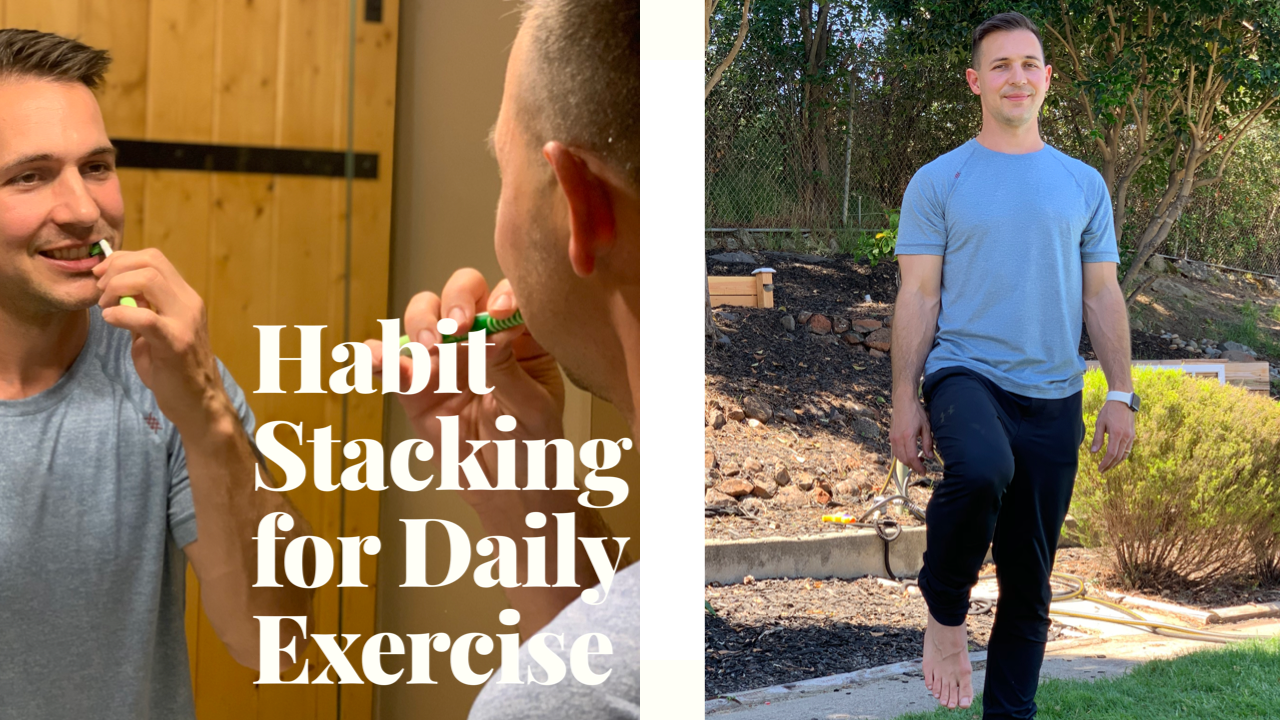
Habit Stacking for Daily Exercise

One of the main difficulties I have with my clients/patients is getting someone to perform  exercises consistently. However, I do not always blame the client, sometimes I do, because it is absolutely normal to have difficulty adding something consistent into our life. This can be seen with diet, work, school, or any other activity. So what we need to do is try to trick the body in order to make it easier.

One of these ways is Habit Stacking. Not a concept I created but first heard of through James Clear, and specifically his book Atomic Habits. Instead of acting like a salmon swimming upstream, let’s go with the flow and make life easy.

For our purpose a habit will be anything you do on a daily basis such as:  making coffee/tea, going to the bathroom (yes this counts!), putting on your shoes, brushing your teeth and anything else like these. You get the point. Now, we take something from the strength, mobility or balance category and attach it to this. As an example, every time you go pee, you do push ups. Every time you brush your teeth, you balance.

In order to make this stick, make it positive. If you do it give yourself a pat on the back, but if you don’t just ignore it and go on with your day. This will help to not feel guilty and quit due to frustration. Eventually you will get more consistent and then just let time and the habit help it to stick.

There you go. Get to work.

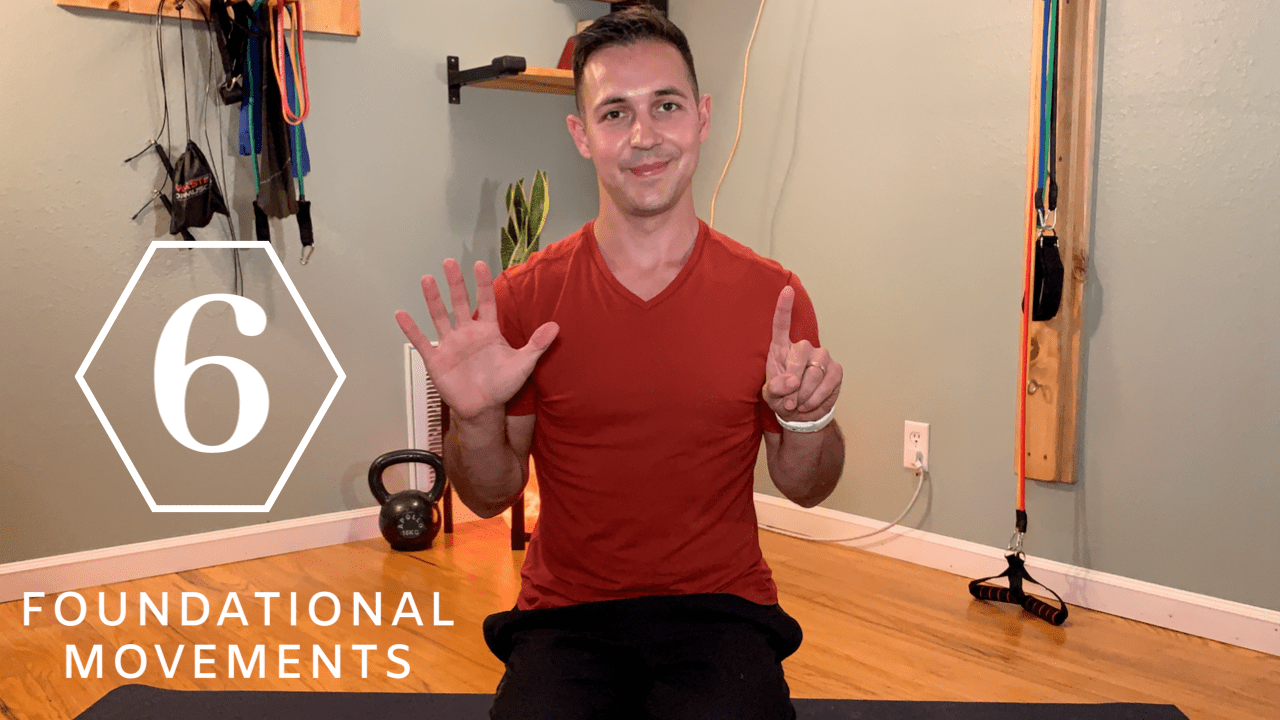
6 Foundational Movements


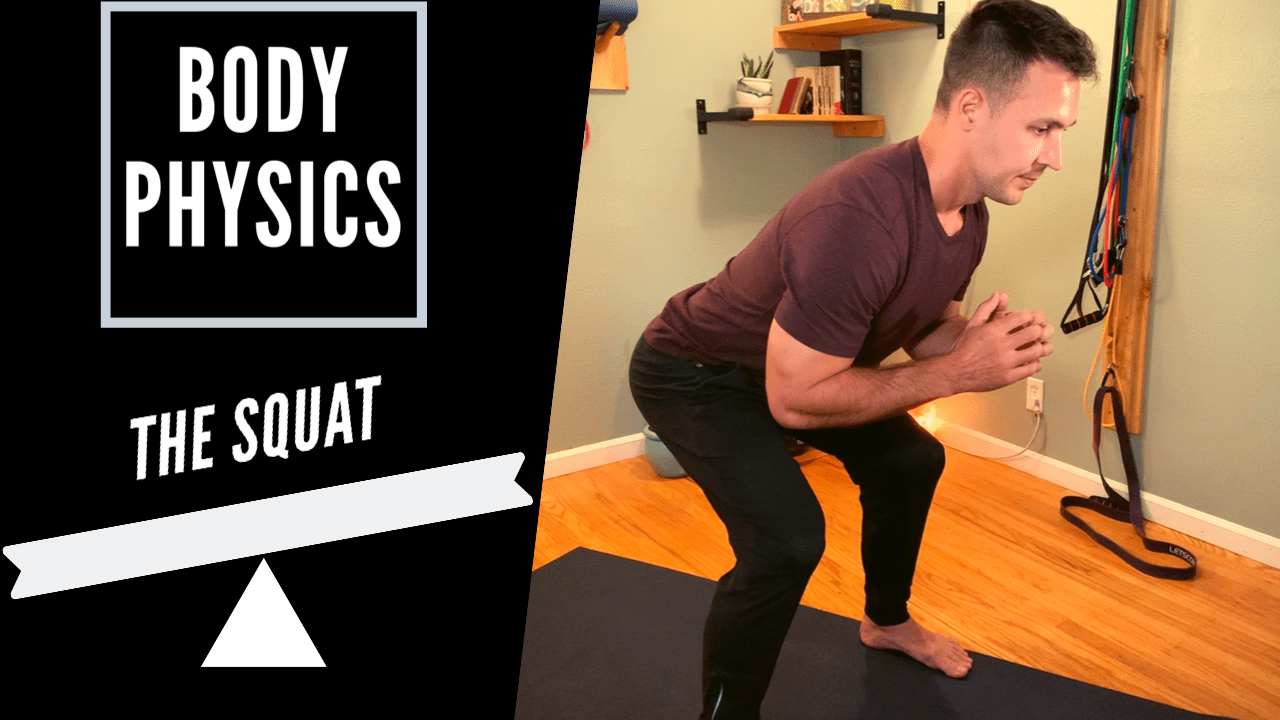
In the general strength world there are different movements which are considered a must. The ones I address in the video are at the center of it all, they include:

  1. Hip Hinge
  2. Squat
  3. Lunge
  4. Press
  5. Pull
  6. Carry

When we think of daily activity these can all come into play to keep us strong and healthy. The first video explains the movements and explains the forms. The second and third videos offer a simple quick workout routine that you can follow. All in all it provides a quick way of staying strong and healthy throughout the body. Enjoy!


One Reason Why Breathing Matters


I could write a dissertation on why paying some attention to your breathing matters, but in this video I explain one reason.

The diaphragm is connected to the lower part of the rib cage, and really starts the abdominal cavity. Emphasis on the word cavity here, it is just an open space. In order for us to not be floppy we need to create pressure into that space. Proper breathing techniques can help to create proper pressure.

In this day and age we tend to breath all upper, and not lower. So use my quick exercise to occasionally to get some movement in the lower rib cage and help create more core control with your breathing.


What Sitting Does to Us


In this video I show how sitting can affect the physical components of the body, and why that can lead to low back pain. You can take a look at my post on “Is Sitting the New Smoking” to appreciate the many reasons why the body does not like excessive sitting or slouching.

So when we sit we are not in our natural position, and by that I mean some muscles are shortened and some muscles are lengthened. So when we spend > 75% of our day doing something and then try to stand our walk our body does not always like this. Specifically the hip flexors do not like this and the tug on the front of the spine which could lead to discomfort.

My word of advise is break up your sitting time, or just try and sit a little less. But if you can not avoid it, then at least try and stretch the hip flexors to try and compensate for these changes. (Refer to my video “This not That” on hip flexor stretch for good measure.


This not That: Hip Flexor Stretch


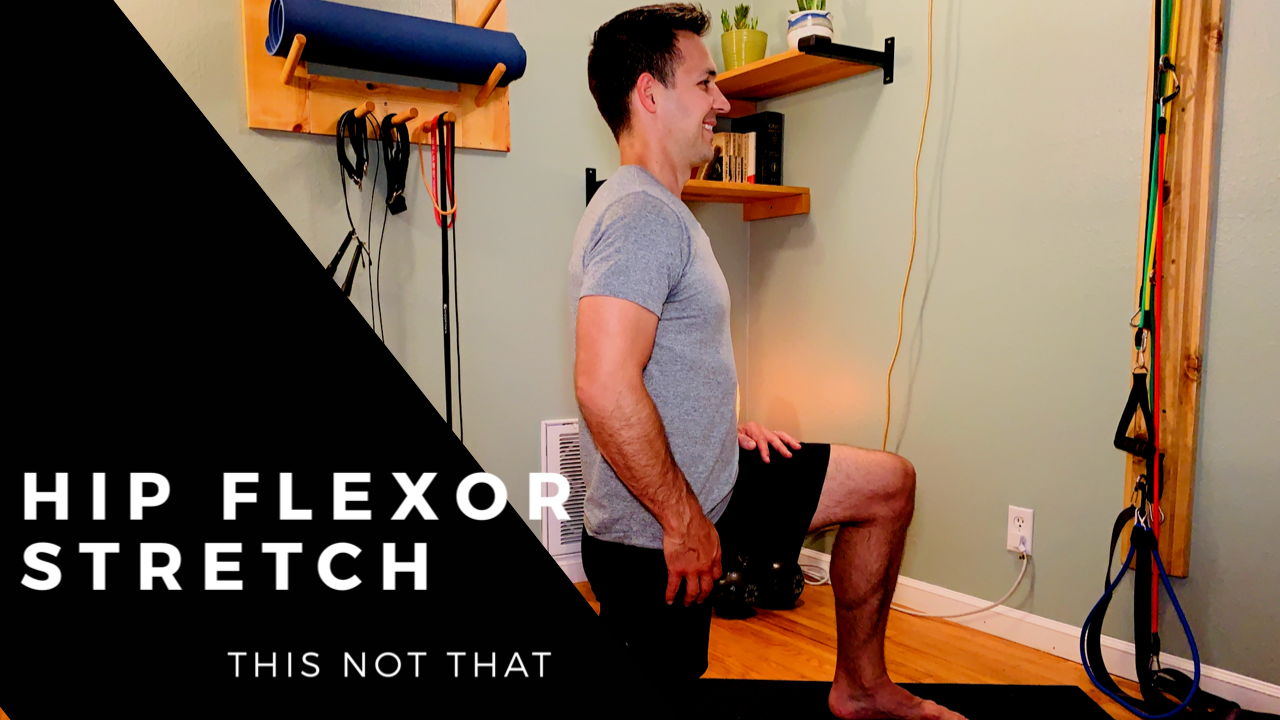
This is probably one of the harder stretches to teach my patients and clients. Sometimes it is either you get it or you don’t. Either way, I see this being performed, what I would say as, incorrectly all the time such as the gym and even in clinics. I am not saying this is the only way, but if you are trying to get hip extension then using the trick in the video is the easiest way. Remember, it doesn’t have to be hard to get it, most of the time we go too far.