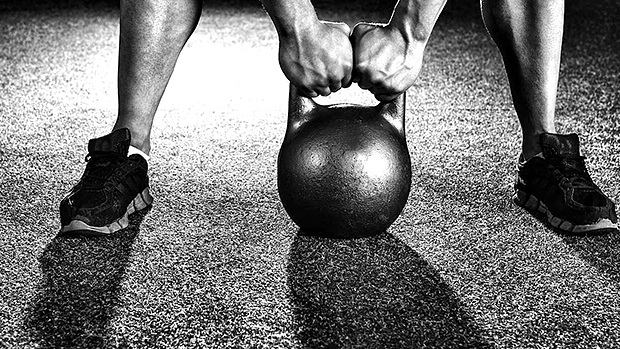
What’s up with the kettlebell?

One common question I get is why use a kettlebell and not just a dumbbell? Tough question, but I’ll try to give some helpful hints.

Carry:  The awkwardness of the kettlebell challenges grip more than a dumbbell with carry, which is important in functional strength.

Picture1

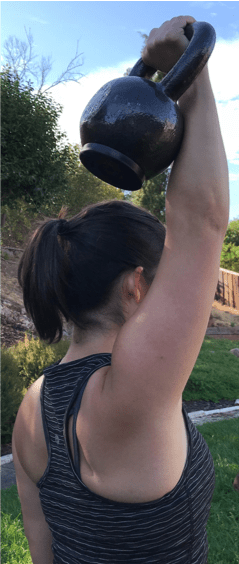
Lock the grip:  A difficult maneuver with a dumbbell, especially a sizable one. This allows a variety of lifting that is not only challenging for the lower body but also works the upper body.

Picture3

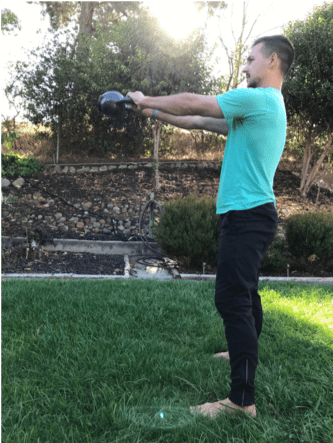
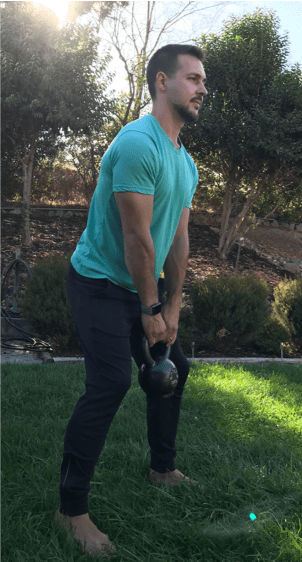
The Swing: Lifting can now become more dynamic, and this can not done with a dumbbell, at least not comfortably.

Picture4Picture5

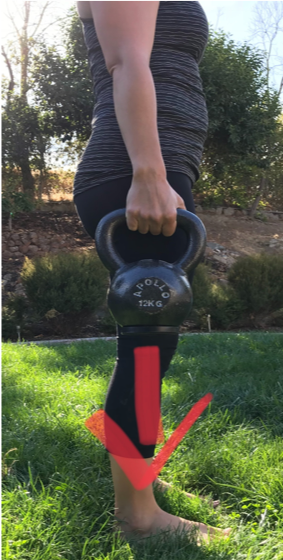
Let it hang:  It can become an efficient way in which to load the legs by holding it safely and reducing strain on low back.

Picture2

These are by no means the only reasons, but hopefully gives an idea of why the kettlebell has become more popular.

Reach Physical Therapy

Reach Physical Therapy was created to improve efficiency and overall success of physical health care. It can be appropriate for someone in pain who would like to have treatment, or someone who is interesting in maintaining current physical health. We do not accept insurance, and only are a private pay company. For further information on the reasons why and specific information regarding this see this link (insurance link).

It is imperative to put the body in the best position to heal and maintain health. In order to do this we need to address consistent factors over time, see link for further information (pillars of health). A combination of service such as massage, personal training, nutritionist/dietician, and other wellness minded professionals can help to maintain physical health. Creating a diverse, manageable and person specific approach to health reduces overall headache with recovery

Creating a cash based physical therapy practice allows practitioners to treat patients and work with clients with the freedom to ensure patient comes first. This creates a fusion of exercise, wellness, rehabilitation and training to ensure anyone can stay active, improve performance and have piece of mind. In order to truly stay healthy there usually needs to be a complete integration into life, not just a general do these 3 exercises forever. Habits take time and require consistency that can only be created with a long term approach. One on one approach improves this efficiency allowing the patient/client to express goals and create a realistic plan.

Pillars of Health

As a physical therapist, most of what I do is treating pain. Someone comes in, we identify and treat the issue-most likely dealing with the musculoskeletal system-until we address the patient’s pain. But when a patient is experiencing pain it is not a random event; our bodies experience pain due to different factors, and I believe there are four general circumstances that can be actively changed. Of course genetics is an important element of health, but it is also well beyond our control. The four factors which we are able to control and thus improve our chances at living a healthy, pain-free life are: cardiovascular health, nutrition, relaxation, and mobility.

Cardiovascular health is so foundational because it has ripple effects throughout our bodies, but especially in our body’s capacity for healing. As a PT we use a barrage of terms such as increase blood flow, decrease swelling, and tissue healing and these are not just important post-injury, but also pre-injury; ensuring adequate blood flow to all tissues decreases our risk of injury. For example: imagine a branch on an under-watered, dying tree and how brittle that branch becomes, how easy it would be to break off. Now imagine that same branch on a healthy, robust tree. How much more pliable it is, how much more bend it has when put under pressure. In short: how much more resilient and resistant to stress it is. Cardiovascular health is crucial because it not only keeps your heart beating, but supplies support and vitality to the entirety of your body.

Nutrition is broken up into anything we consume, such as eating and drinking. Eating can have dramatic changes on our body, as well as being our primary source of fuel (energy). There are many important elements to consider in regards to diet and nutrition such as when we eat, how much we eat and the quality & types of food we put into our bodies. These same factors can be applied to liquids as well. Diet can have an effect on many aspects of our body’s ability to recover due to its impact on gut health, cellular health, inflammation within the body and even hormone levels. My knowledge on this just scratches the surface, but I do have resources at my disposal that I refer to that can assist. While not a certified nutritionist myself, I do work closely with extremely qualified and capable people who I am able to refer to when the need arises.

Relaxation can be the most important element of health, but it is frequently the most overlooked as well. This is a wide-ranging category that can involve breathing, sleeping, stress management and other aspects the parasympathetic system. Just to give a quick definition: the sympathetic and parasympathetic are the yin and the yang of our bodies. The sympathetic system deals with high-stress situations; think life or death, “fight or flight” type of occurrences, while the parasympathetic system deals with the other times when we should be, for lack of a better word, calm. Due to the high-stress nature of our modern world and the constant stimulation we experience, it is difficult for us to get out of our sympathetic response. This can be addressed with a myriad of solutions: meditation, breathing exercises, sleeping, resting or even just taking a break from our electronic devices. The parasympathetic system can assist with many aspects of body health from hormone regulation, gut health and even reduction in muscle tension. If we don’t pay attention to this crucial element of health, we are always fighting an uphill battle.

Mobility is an all encompassing term that includes strength, flexibility, and body awareness. A helpful way to think about it is how easily you are able to move your body when completing normal activities such as getting up from the floor, squatting, maneuvering steps/stairs, and other body-resisted activities. As a physical therapist this is what we deal with a majority of the time. There is a extensive research backing the assertion that one’s ability to move can be correlated with lifespan and overall health. Most movement should generally be easy and “flow” well without apprehension. Mechanical correction and even reducing fear of movement can make a positive change to mobility.

These are all quickly summarized, but when addressed it can be easier to make significant changes. Without addressing each of these factors it can make progress with performance or recovery from injury more difficult to achieve. If you are truly looking to improve your overall health, it needs to encompass all of these factors.

Is Sitting the New Smoking?

In the current culture a wave is slowly building that is telling us that sitting is bad, but it might not be clear why. There are many reasons why sitting is detrimental to our health and may be the “new smoking”, but I would like to share the perspective of someone who studies the musculoskeletal system. In order to better understand this complex issue, it helps to start from the beginning.

One of the things that makes humans special is our ability to stand on two legs. It is uncommon in nature and creates in us a unique musculoskeletal system. We have been this way for thousands of years, and are now very stuck in our ways. One of the most unique traits that we possess is that our hips are aligned vertically, not bent at 90 degrees. In order to make it clear, imagine a dog, with the hind legs bent and the spine horizontal to the ground to create a 90 degree bend. Our hips are in line with our spine, which is considered our “neutral” position. Before modern society we spent less time sitting and more time standing or lying prone. We do not have to go very far back in our history to identify the time this change happened.

According to a study from the Mayo Clinic in 1970 only 2 in 10 working Americans were in a light activity occupation (desk job), compared with 6 in 10 in 2003 and I would guess this number is even higher now. The reason I bring this up is to give you some perspective of how rapidly the rate of change has increased within the past 40 years, imagine the drastic differences that have occured in the last 2,000! We expect that our bodies should be used to this and we expect no adverse effects from sitting for long periods time. Unfortunately, this is not true and I hope to give you a better understanding of some of the reasons why sitting is so detrimental.

So we all can start on the same page: I want to ensure we are talking about the same joint. The hips are the connection point of the long bone of the thigh with the pelvis, the bones you feel if you put your hands at your side. As we went through before: the neutral position for the hips is in a standing position, and sitting is referred to as a flexed position. If we sit all day, we are stretching and shortening certain muscles because our hips are not in a neutral position. There are muscles on the front of the hips that connect with the pelvis and lower back that are called hip flexors, and they become very tight when sitting. Then when we stand these muscles try to stretch, and unfortunately can put a lot of pressure on our pelvis and lower back. This could be one reason why greater than 90% of Americans experience back pain. So how do we help this?

Changing the position of our bodies from sitting to standing (and ideally adding intermittent periods of movement to our day) can have immense benefits to our overall health. In addition to a regimen of stretching the hip muscles and working on strengthening, I would suggest someone not sit for longer than 45 minutes without standing. It does not have to be a long bout of standing to significantly improve your overall posture. Hip flexors are not the only things that are affected by sitting.

When we sit it also had a negative impact on our lower back, shoulders and even into our neck. This can all be related to the hips, but can have much further reaching impacts on the whole skeletal system like an evil tidal wave, coursing through our bodies. One of the biggest issues can be that whatever you are sitting on may be too deep. By deep I mean you may have difficulty touching your feet to the ground, or getting your butt all the way back in the chair. In this case I recommend putting a support in back of you such as a pillow. If it is your work chair and cannot be adjusted, I would suggest looking into a new work chair.

Overall, I want to stress that sitting may not be as natural as we think, and our bodies are not adapted to endure the stress that we are currently putting them in. Some other positives to standing are increase in calories burned per hour, increase in focus and positive stresses on the lower leg from the foot to the hip. So if you need to sit, don’t do it for very long and supplement standing when you can.

(Owen N, Sparling PB, Healy GN, Dunstan DW, Matthews CE. Sedentary Behavior: Emerging Evidence for a New Health Risk. Mayo Clinic Proceedings. 2010;85(12):1138-1141. doi:10.4065/mcp.2010.0444.)

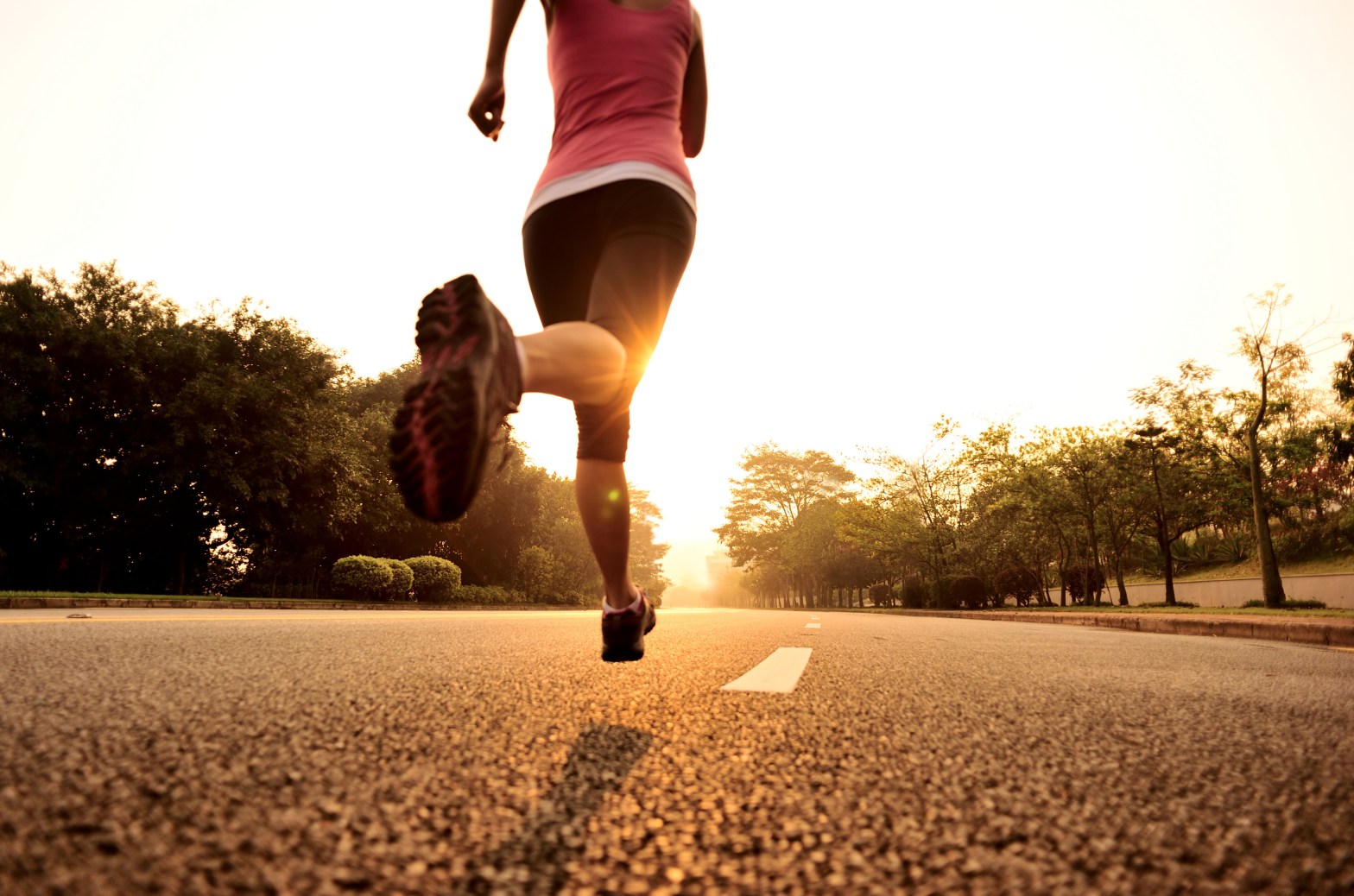
The Rhythm to Running

If you are a runner you have heard many popular terms over the years on how to help your form. Some of these could be heel striker, minimalist shoes or maybe barefoot running. It is hard to distinguish what we should be paying attention to and what is important. In some instances, this can be difficult to answer, but in this case I would like to simplify this for you. In doing so I will introduce a new word, cadence.

Before I explain this word to you I would like to explain why it is important. Currently we do not have any research that states it is better to land on your heel or the ball of your foot. In fact, a study would state that somewhere between 80-90% of elite marathon runners heel strike. So how do you reduce risk of injury? We do know that if you land with your foot under your hips and not out in front of your body it significantly reduces the amount of load the legs have to absorb. One way in which we can ensure you do this is to change cadence.

(Cadence Scale pictured above)

In the end, cadence means how many steps you are taking per minute. For a good visual, I would like you to imagine someone walking their dogs. One dog is a chihuahua and one is a Great Dane. The biggest difference being the speed at which the feet are moving; the chihuahua moving the feet, or paws, much faster than the Great Dane. This means the chihuahua has a much higher cadence than the Great Dane. I will explain in the next few paragraphs why everyone should strive to be chihuahuas.

What do you need… Someone to measure your cadence, which is best done on a treadmill. There are many phone apps out there in order to help with this. Your amazing helper will tap the application to the rhythm of your steps and this will give you your cadence. Generally, this will be around 150-180 beats per minute. The goal is to be close to 180 BPM, but if you start at 150 BPM you should be slowly progressing to 180 BPM or else you will have a difficult and frustrating time. This can be done by increasing by 10 BPM, or adding 5% of your overall BPM each time. Now you should go on a few runs until you find it becomes your natural rhythm. Most apps also allow you to play any beats per minute repetitively, and you will notice that your legs will naturally want to copy the rhythm.

So why is this important? If you can land with your feet closer to underneath your hips, you decrease the amount of force that goes into your legs with this adjustment. You can hopefully prevent some of the repetitive stress injury that can occur with running. This does not always work perfectly, but surprisingly helpful. There are many other dysfunctions that can occur with running to cause pain, so by no means is this a cure at all. This is why I recommend you should see a professional to assess your running to be sure you have solid running mechanics. Now go find a friend, assess and add this knowledge to ensure you continue to have a life full of healthy running.